Re-thinking Music Search through Shape-Changing Interfaces
Removing screens and traditional interface controls from music discovery
- Year
- 2024
- Duration
- 2 months
- Tools
- Physical prototyping, Music, Shape-changing
- Type
- Group Project
- Summary
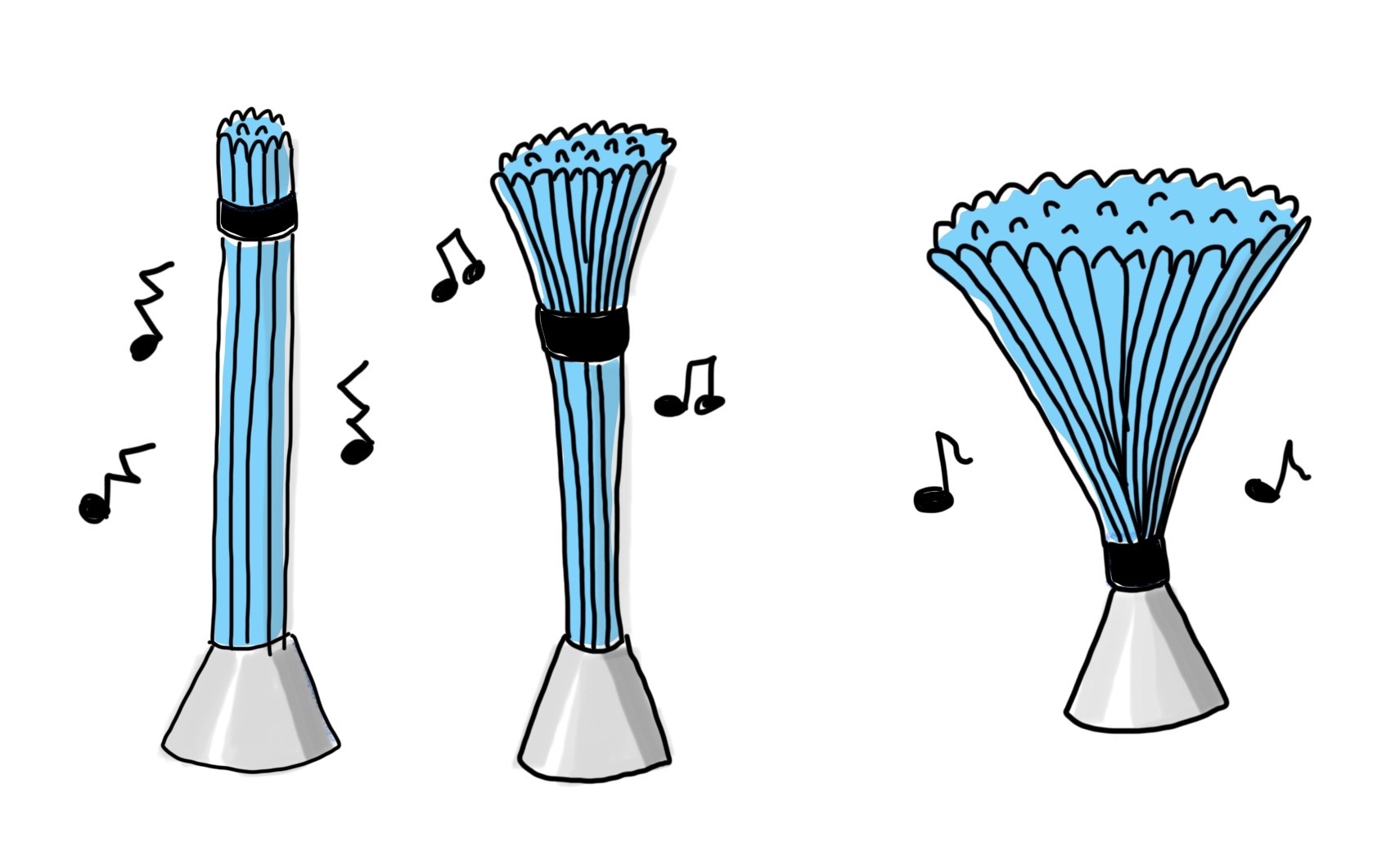
- This project rethinks music discovery by removing screens and traditional interface controls. Instead of searching through playlists, filters, or menus, users influence music through physical objects. The system turns music selection into a tactile process, where form replaces navigation and interaction is based on intuition rather than digital input.
Intro

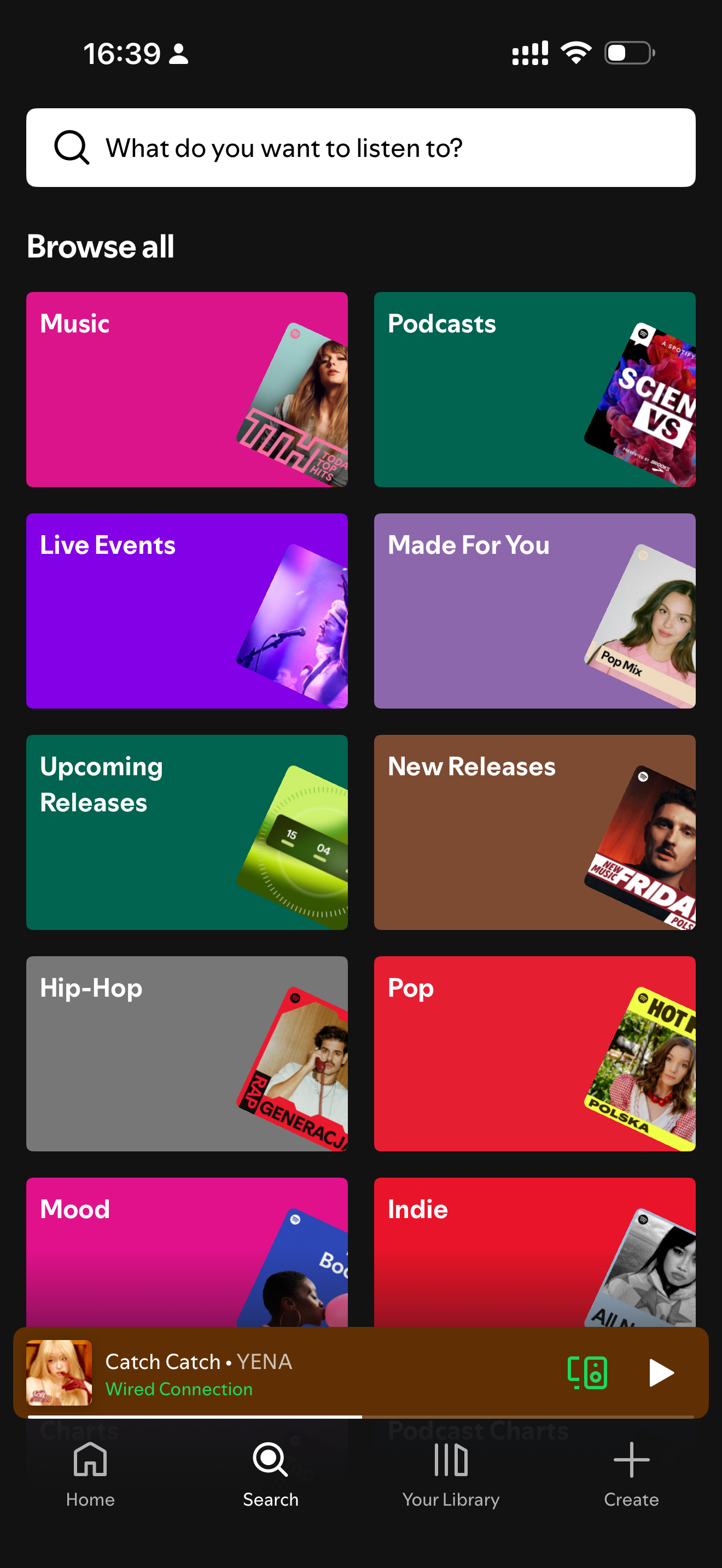
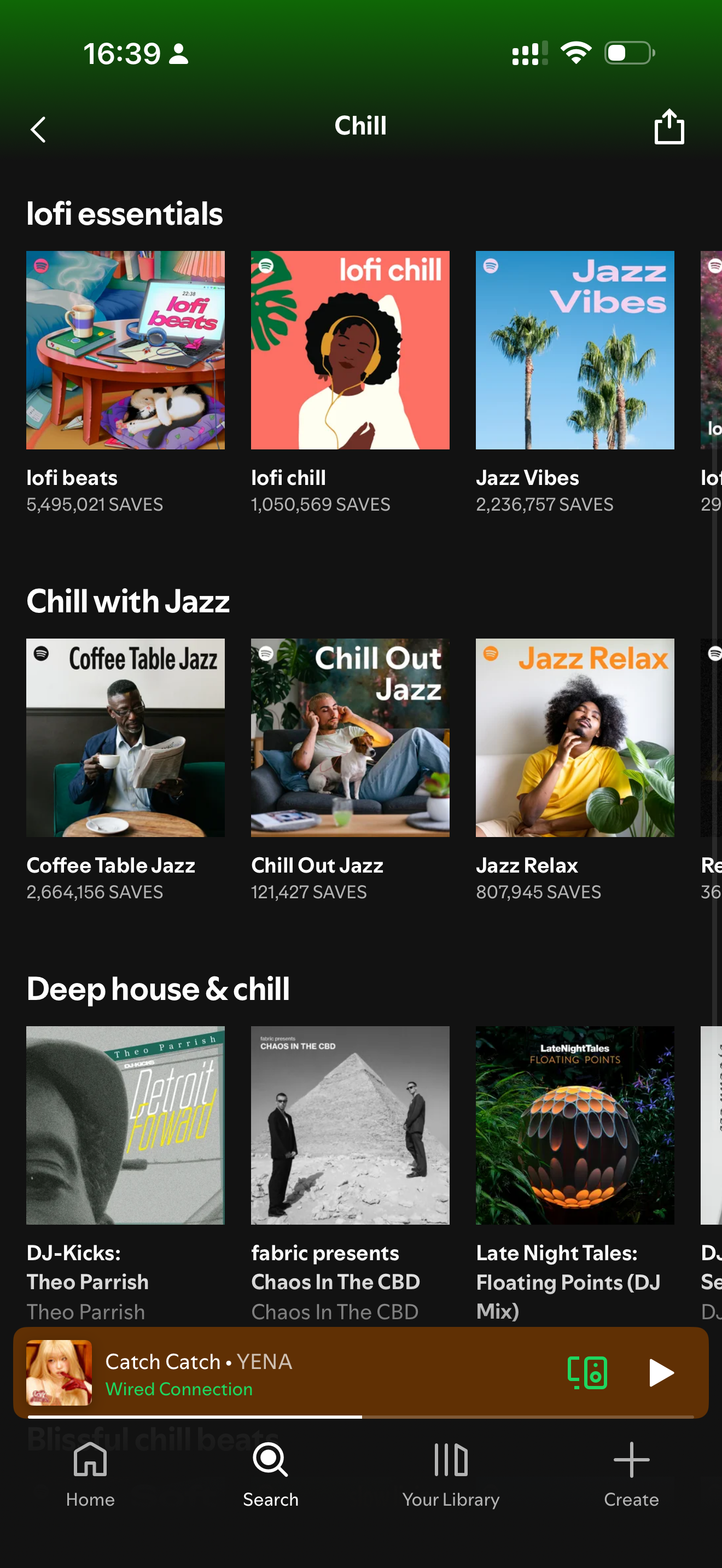
Music discovery is often mediated through screens, menus, and algorithms. When searching by mood or genre, users are confronted with large volumes of playlists and recommendations. The process of finding new music becomes a task of navigating interfaces rather than engaging with sound directly.
This project aimed to find out what happens if music selection is detached from screens entirely? And can we preserve expressive and nuanced control through physical interaction?
Concept
The core idea is to use physical objects as a medium for music discovery. Instead of scrolling through playlists or applying filters, users manipulate tangible form to influence what they hear. The system responds continuously rather than through discrete choices. The interaction is a direct translation between physical state and sound output.
Design
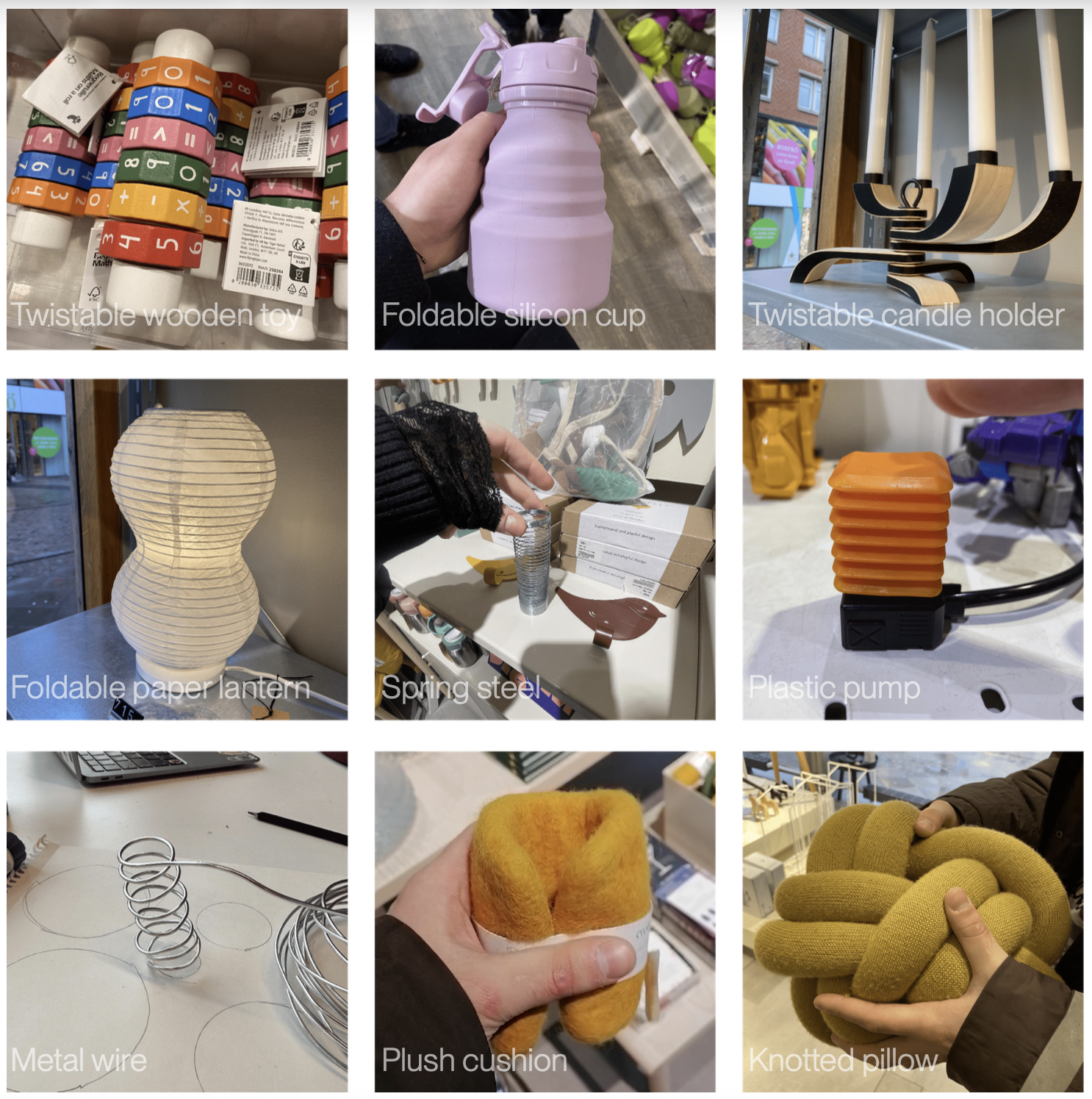
The process began with exploration of different shape families, ranging from strict geometric forms to more organic and irregular structures. Each variation was tested for its visual and emotional association.
Parallel material studies examined how surface qualities affect perception. Smooth, soft, rigid, and rough textures were compared to understand how they influence expectations of sound.
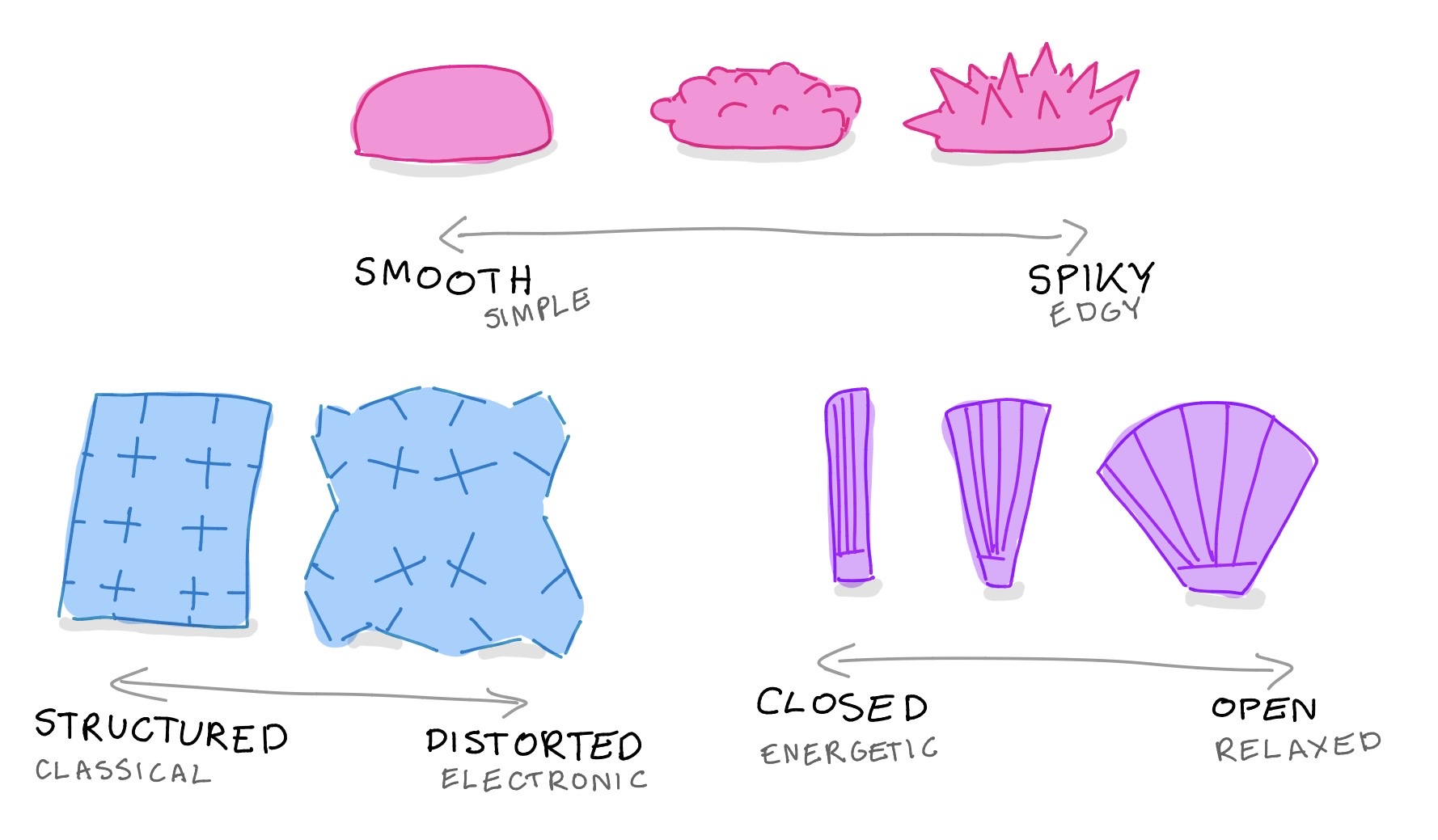
Shape strongly influenced perceived mood and genre. Geometric forms were consistently associated with calmer, more structured music, while irregular forms were linked to more energetic or complex sound.
Users were able to make these associations quickly and without instruction, suggesting that form-based interpretation happens prior to conscious reasoning.
Outcome
The final prototype is a concept of an interaction with a shape-changing object that responds to user manipulation by altering the music being played. This approach emphasizes the physicality of music discovery and encourages a more embodied relationship with sound.